
Fuel for Hurricanes
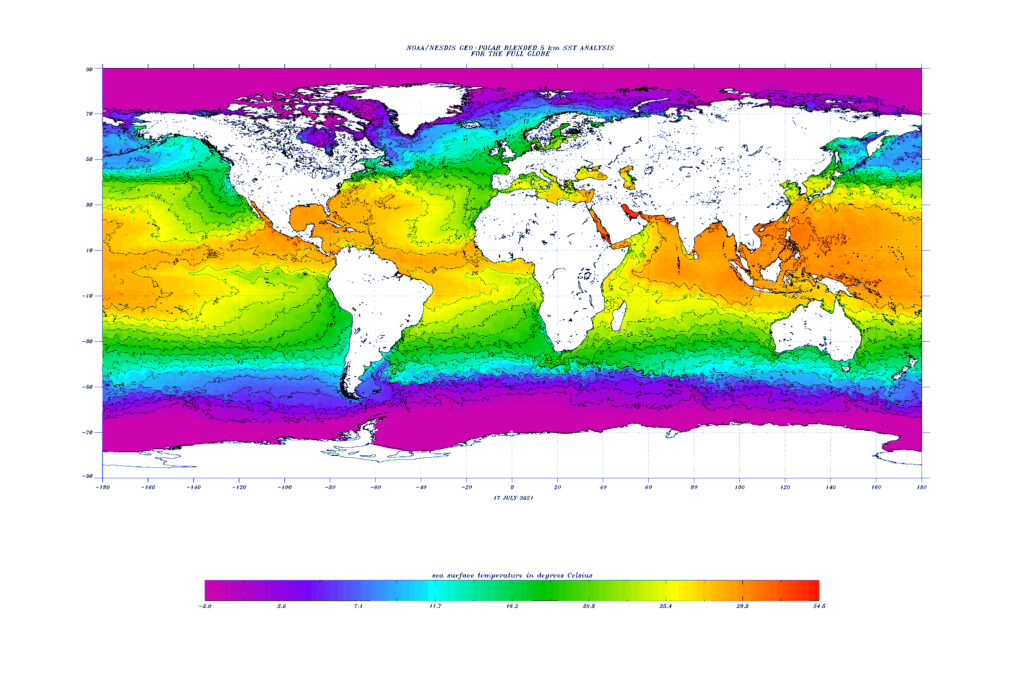
Tropical cyclones get their energy from warm sea surface temperatures. Research has shown that sea surface temperatures need to be at least 26 degrees Celsius (or 79 degrees Fahrenheit) in order to support the formation of tropical cyclones. The air spiraling in towards the center of a tropical cyclone is warmed up and given moisture by the warm sea surface temperatures. This warm, moist air is then used to create strong storms near the center of the hurricane. If a mature tropical cyclone moves into a region with cooler sea surface temperatures, it will likely cause the storm to weaken in intensity.
Tropical cyclones thrive in moist environments and are negatively impacted by dry air. If a tropical cyclone interacts with a mass of dry air, it will likely disrupt or weaken the strongest winds within the tropical cyclone. In addition, strong wind shear, where winds are changing rapidly with height, will negatively affect the strength of a hurricane. Putting this all together, tropical cyclones typically strengthen in environments which are fairly moist and have low wind shear.